How Peptide Research Is Reshaping Modern Biomedical Science
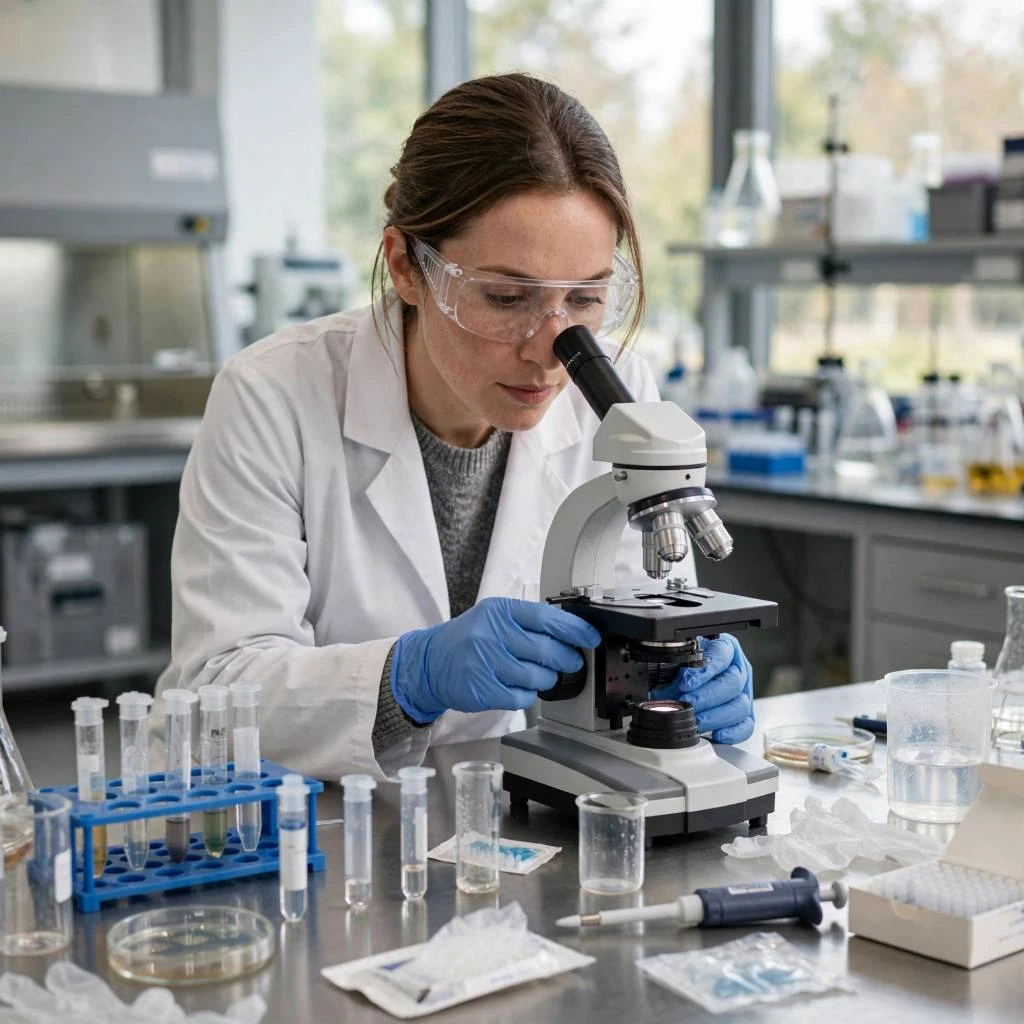
Microscopic Peptide Purity Analysis

Peptides at the Center of Scientific Discovery

Modern biomedical research is increasingly focused on understanding small biological molecules that can produce highly specific interactions inside living systems. Peptides have attracted considerable scientific attention because of their diverse roles in communication between cells and biological regulation. As researchers uncover new pathways and molecular relationships, interest in this field continues to expand. Anyone looking for more information on peptide science can see that current research extends far beyond simple laboratory experiments, connecting molecular biology, regenerative research, pharmacology, and the continuing search for better ways to understand human health.

Small Molecules With Complex Biological Roles

Peptides may be relatively small compared with larger proteins, but their biological influence can be remarkably complex. Many naturally occurring peptides function as signaling molecules, hormones, or messengers that help coordinate activity throughout the body. Researchers can also design synthetic peptides to study specific receptors or molecular pathways. Their ability to interact selectively with biological targets has made them valuable tools for investigating how cells receive information and respond to changing conditions. This scientific versatility continues to make peptides an important subject across multiple areas of biomedical research.

Exploring the Networks That Guide Cells

The human body depends on an enormous network of cellular communication. Cells must constantly receive, interpret, and respond to chemical signals in order to survive and function properly. Peptide research helps scientists examine parts of this communication system in greater detail. By observing how particular molecules interact with receptors, researchers can investigate processes related to growth, immune activity, metabolism, and tissue maintenance. These studies do not simply focus on individual compounds. They also contribute to a broader understanding of how biological systems remain organized and how disruptions in signaling can affect normal cellular function.

Regenerative Science Opens New Research Questions

One of the most interesting areas connected with peptide research is regenerative science. Scientists are exploring how biological signals may influence the processes involved in tissue maintenance and repair. Experimental studies have investigated peptide interactions related to cell movement, inflammatory responses, blood vessel formation, and the environment surrounding cells. Researchers are also developing peptide-based biomaterials that may support scientific studies involving tissue engineering. These approaches are helping expand knowledge about the conditions that influence cellular behavior and regeneration, while also creating new questions that require careful investigation through future research.

Finding Trusted Evidence Through NCBI

Scientific progress depends on the ability to examine research carefully rather than relying on isolated claims or exciting headlines. The National Center for Biotechnology Information provides access to valuable biomedical literature and scientific databases that help researchers evaluate existing knowledge. Reviewing information available through NCBI can reveal important differences between early laboratory findings, animal research, and studies involving human participants. It also allows readers to examine how research questions were tested and what limitations may exist. This evidence-based approach is essential for understanding where peptide science currently stands and which areas still need further investigation.

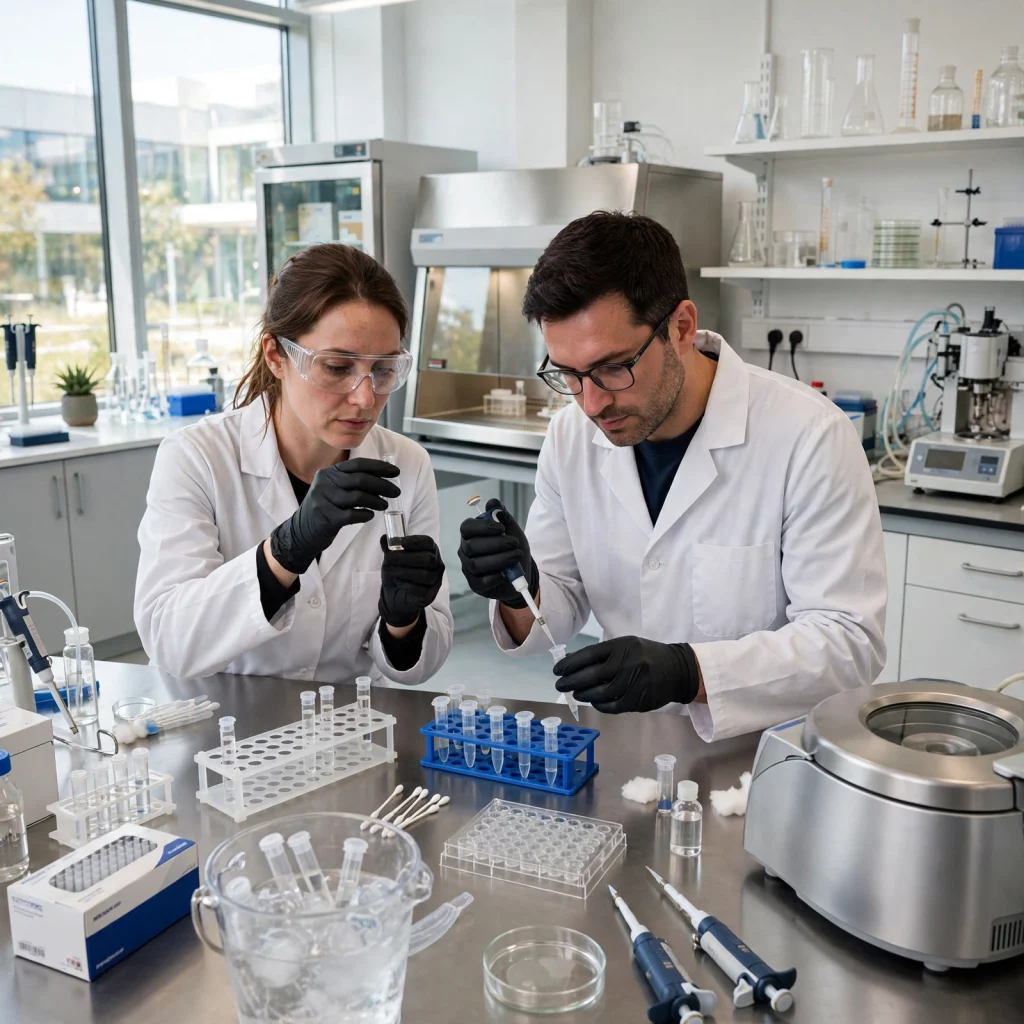
Researchers Reviewing Cellular Cultures

Promising Results Are Only the Beginning

Scientific discovery often begins with observations that appear promising, but those early findings represent only the first stage of research. A peptide may demonstrate measurable activity in a laboratory environment without necessarily producing the same outcome in a human population. Biological systems are influenced by countless variables, including metabolism, genetics, immune responses, and environmental factors. Researchers must therefore conduct additional studies to determine whether an experimental observation can be repeated and whether it has practical significance. This step-by-step process is necessary for transforming interesting scientific ideas into conclusions supported by reliable evidence.

Why Research Quality Makes a Difference

Not all scientific studies provide the same level of confidence. Research quality can depend on factors such as study design, sample size, controls, transparency, and the ability of other researchers to reproduce the findings. Strong evidence develops when multiple investigations contribute to a clearer understanding of a scientific question. In peptide research, this means examining results from different types of studies rather than focusing on a single experiment. Preclinical research can provide valuable insights, but clinical studies are often necessary to answer questions about human safety and effectiveness.

Moving From Theory Toward Clinical Understanding

The transition from basic science to clinical research is one of the most demanding stages in biomedical development. Researchers must determine how a substance behaves in increasingly complex biological settings and investigate potential safety concerns. Questions involving dosage, administration, stability, and long-term effects require detailed evaluation. Even when a scientific mechanism appears logical, real-world biological outcomes may differ from expectations. Careful clinical research helps identify these differences and provides a stronger foundation for understanding whether an experimental approach has meaningful potential for human medicine.

Technology Is Changing the Research Landscape

New technologies are giving scientists additional tools for investigating peptide structures and biological interactions. Advances in computational modeling can help researchers predict how molecules may interact with specific targets. Improved analytical methods make it possible to study biological activity with greater precision, while developments in biotechnology are expanding the range of questions scientists can explore. These technologies may accelerate early-stage discovery, but they do not eliminate the need for rigorous testing. Scientific tools can improve research efficiency, yet evidence remains the standard by which important conclusions must ultimately be judged.

Future Built on Evidence and Discovery

Peptide research continues to occupy an exciting position within modern biomedical science. Its connection to cellular signaling and regenerative research offers numerous opportunities for discovery, while its complexity reminds researchers why careful evaluation is essential. The future of the field will depend on innovative ideas supported by transparent methods and strong scientific evidence. As new studies continue to explore how peptides interact with biological systems, the most valuable advances will be those that withstand careful examination. Responsible research can help transform scientific curiosity into meaningful knowledge and guide the next generation of discoveries in modern medicine.

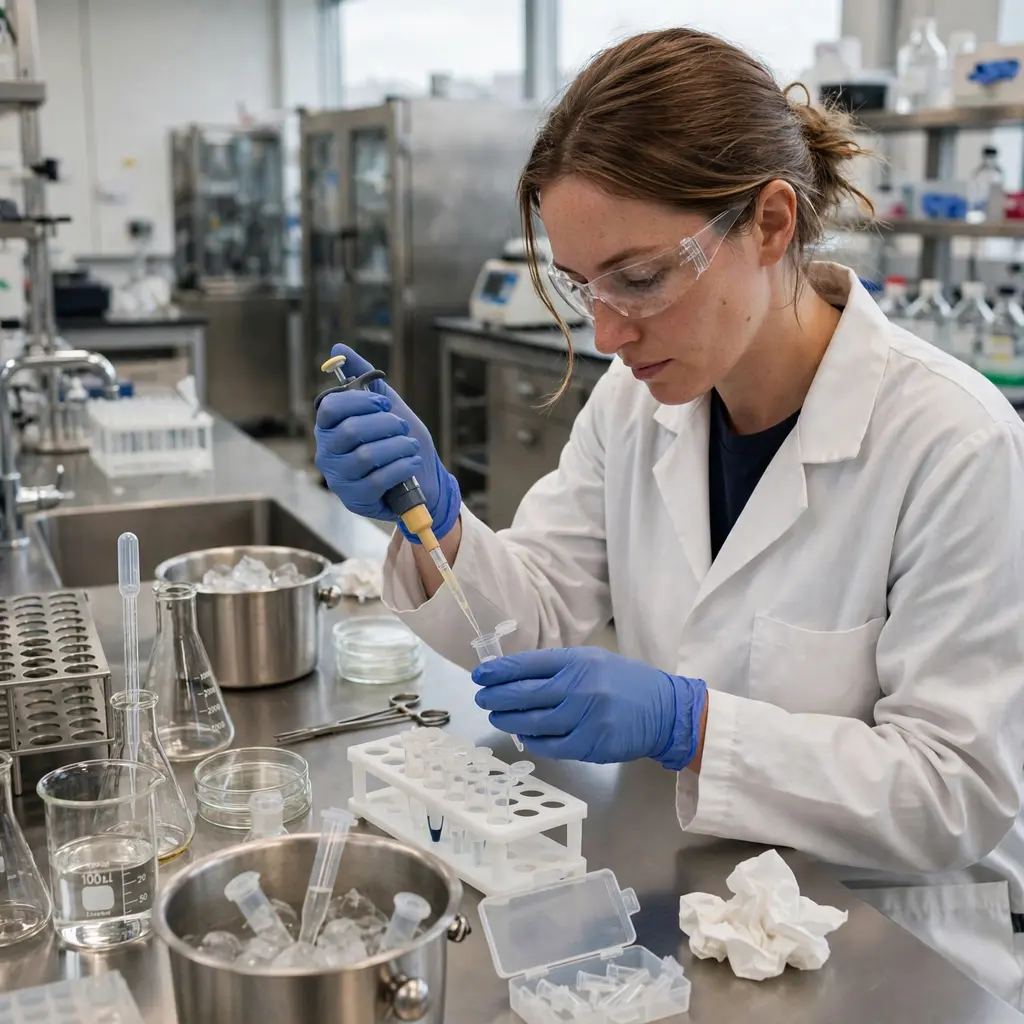
Peptide Sample Preparation Laboratory
Peptides and Health Why Research and Sample Quality Matter
Scientists Testing Health Supplements

Exploring the Expanding World of Peptide Science

Peptides have become an increasingly important topic in biomedical and scientific research because of their involvement in many biological processes. Researchers continue to study these short chains of amino acids to better understand cellular communication, metabolism, tissue activity, and other complex functions within the body. As interest in this field grows, reliable information becomes increasingly valuable for anyone following scientific developments. The discussion presented in https://www.cronista.com/informacion-gral/peptidos-y-salud-que-dice-la-investigacion-y-por-que-la-calidad-de-las-muestras-es-importante highlights an important issue surrounding modern peptide research: understanding a molecule involves more than simply recognizing its name or potential area of study. The quality, identity, characterization, and documented properties of a sample can all influence how scientific findings are interpreted.

What Makes Peptides Scientifically Important?

Peptides are made from relatively short chains of amino acids, the building blocks that also contribute to the formation of proteins. Their smaller structure can allow them to participate in highly specific biological interactions, which is one reason they have attracted significant scientific attention. Different peptides can have very different structures and functions, making it inaccurate to treat all peptides as though they produce the same biological effects. Scientists study individual molecules based on their chemical properties, biological interactions, stability, and potential relevance to specific research questions. This diversity makes careful identification essential. Before conclusions can be drawn from a study, researchers must understand precisely which molecule is being examined and what existing evidence says about it.

From Laboratory Investigation to Scientific Evidence

Peptide research can involve a wide range of laboratory approaches. Scientists may investigate how a molecule interacts with cells, proteins, receptors, or other biological systems. Research can also explore chemical stability, structural characteristics, metabolism, or mechanisms involved in biological signaling. However, laboratory interest should not automatically be interpreted as proof of a benefit for people. Scientific investigation often progresses through multiple stages, and findings from early experiments may require further testing before meaningful conclusions can be reached. Observations made in controlled laboratory environments do not necessarily predict outcomes in humans. Strong scientific understanding depends on repeated research, appropriate methodology, and careful interpretation of results rather than broad assumptions based solely on a molecule’s popularity.

Why Sample Quality Can Influence Research Results

The quality of a peptide sample can directly affect the reliability of research. If a material does not accurately match its expected identity or contains impurities, researchers may face difficulties when interpreting experimental findings. Analytical variation can create uncertainty and potentially influence measurements, comparisons, and conclusions. For this reason, scientific work often relies on procedures designed to examine identity, purity, composition, and consistency. A sample may require different analytical methods depending on the research objective. Chromatography and mass spectrometry are among the techniques that can contribute valuable information during characterization. Quality evaluation is therefore not simply a technical formality. It is an important part of building confidence that experimental observations are connected to the material researchers intended to study.

Role of Analytical Standards and Characterization

Scientific literature available through the NCBI database demonstrates why well-characterized peptide materials and analytical reference standards are important in evaluating identity, purity, and strength. Research in this area uses multiple analytical approaches to examine peptide materials and support consistency between samples. Characterization can involve techniques designed to confirm molecular identity while also examining potential impurities and other quality attributes. This process becomes particularly important when results depend on accurate measurement. If researchers begin with poorly characterized material, even carefully designed experiments may produce findings that are difficult to compare or reproduce. Strong analytical documentation helps create a clearer connection between the sample being studied and the conclusions eventually drawn from the research.

Team Analyzing Long Term Wellness

What a Certificate of Analysis Can Reveal

A Certificate of Analysis, commonly called a COA, can provide useful analytical information about a specific sample. Depending on the laboratory and methods used, the document may include details related to identity, purity, batch information, and other measured characteristics. Researchers should consider whether the certificate clearly identifies the sample and explains how relevant results were obtained. Analytical methods matter because different techniques answer different questions. A result showing one characteristic does not automatically provide complete information about every other property of the material. The laboratory responsible for testing, the date of analysis, and the connection between the report and the specific sample can also contribute to a more complete evaluation. Documentation is most useful when it provides meaningful context rather than simply presenting an isolated percentage or measurement.

Importance of Reproducibility in Peptide Studies

Reproducibility is one of the foundations of credible scientific research. When different researchers examine the same question, reliable materials and clearly documented methods can help determine whether results remain consistent. Variability in sample composition may make this process more difficult. For peptide research, careful handling, storage, preparation, and characterization can all influence experimental work. Researchers may need to account for factors such as degradation, contamination, or differences between batches. The more clearly these variables are documented, the easier it becomes to evaluate whether observed results are connected to the peptide itself or to differences in the material and experimental process. Reliable research depends not only on interesting hypotheses but also on the quality of the evidence supporting them.

Research Should Be Distinguished From Personal Use

One of the most important considerations in discussions about peptides is the distinction between scientific research and personal consumption. A molecule being investigated in a laboratory does not automatically mean that every possible use has been demonstrated as safe or effective for humans. Scientific evidence develops through research, clinical investigation, regulatory review, and ongoing evaluation. Claims related to health, physical performance, weight management, recovery, or aging should therefore be approached with appropriate caution. Scientific interest alone is not equivalent to medical approval. Individuals seeking guidance about health-related decisions should rely on qualified healthcare professionals and evidence-based information rather than assuming that emerging research automatically supports personal use.

Why Clear Information Matters in a Complex Field

The growing public interest in peptides makes accurate communication increasingly important. Complex scientific topics can easily be simplified into claims that sound more certain than the available evidence actually supports. Clear information should explain what is known, what remains under investigation, and where limitations exist. It should also distinguish between analytical data about a sample and clinical evidence about human outcomes. A high-quality analytical report may provide useful information about the material tested, but it does not independently establish that a substance is appropriate for any particular health purpose. Understanding these distinctions can help readers approach peptide information with greater awareness and avoid confusing scientific terminology with proven conclusions.

Looking Ahead at the Future of Peptide Science

Peptide research is likely to remain an important area of scientific exploration as researchers continue studying biological signaling and molecular interactions. Advances in analytical technology may also improve the ability to characterize complex materials and identify subtle differences between samples. As the field develops, attention to identity, purity, stability, and documentation will continue to play an important role in supporting reliable research. The most meaningful progress will come from careful experimentation, transparent reporting, and evidence that can withstand scientific evaluation. For anyone interested in peptides and health, understanding both the promise of ongoing research and the importance of sample quality provides a more balanced perspective. Scientific curiosity is valuable, but strong conclusions ultimately depend on the quality of the materials, methods, and evidence behind them.

Researching Sustainable Health Performance
Peptide Science and the Future of Biotechnology in Costa Rica
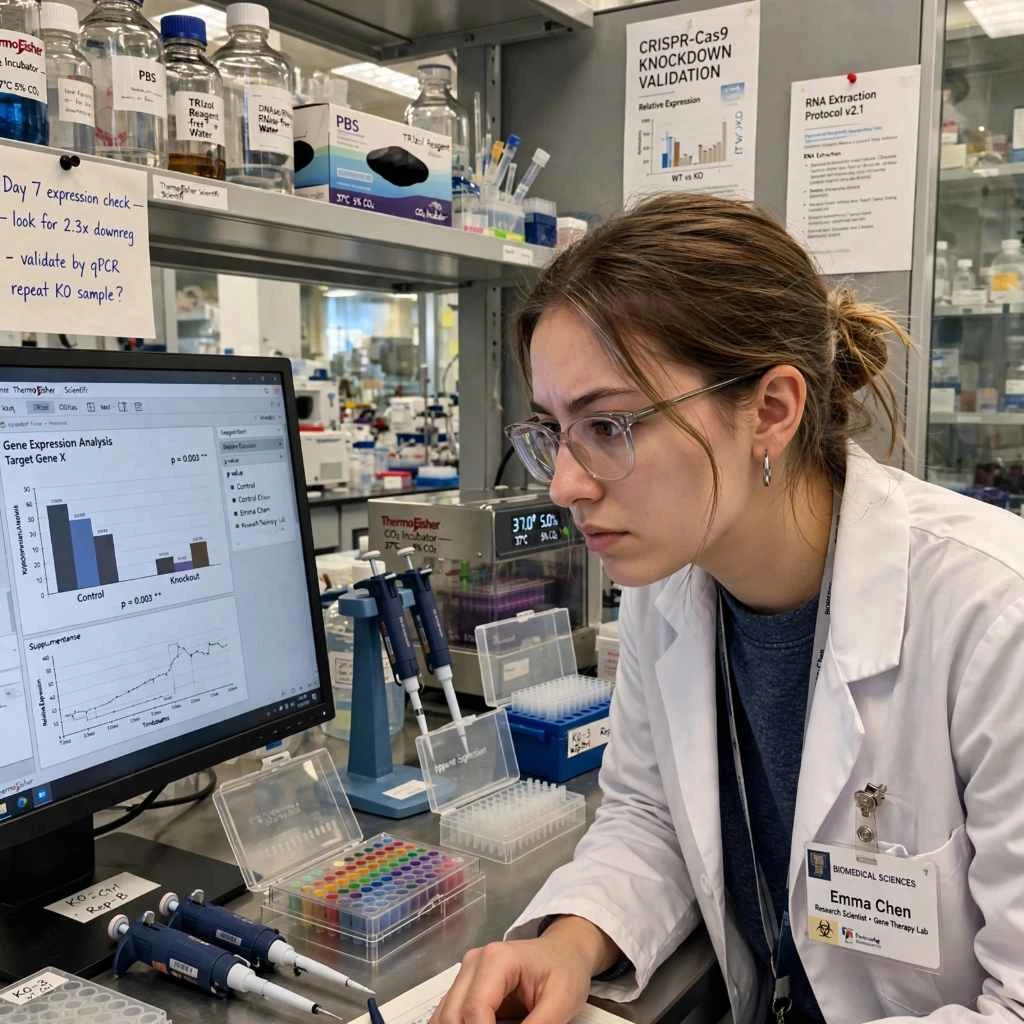
Researcher analyzing CRISPR gene knockdown validation results

How Peptides Are Transforming Modern Science

Costa Rica is rapidly establishing itself as a promising hub for biotechnology and life sciences research. As the country’s scientific capabilities continue to expand, researchers are increasingly exploring innovative molecular tools that can help unlock a deeper understanding of human biology. Among these developments, Peptides Costa Rica has emerged as a growing topic of interest within research communities focused on cellular function, metabolic pathways, and biomedical innovation. This momentum reflects a broader commitment to scientific excellence and the pursuit of knowledge-driven discoveries.

Why Peptides Matter in Modern Research

Peptides are naturally occurring chains of amino acids that serve as vital messengers throughout the body. They influence numerous biological functions, including cellular signaling, immune responses, hormone regulation, and tissue maintenance. Because of their highly targeted biological activity, researchers often use peptides as investigative tools to better understand complex physiological mechanisms. Their precision and versatility have made them one of the most studied molecular categories in contemporary biomedical science.

Costa Rica’s Growing Biotechnology Landscape

The rise of peptide research aligns with Costa Rica’s broader investment in science, education, and technological development. Academic institutions, private laboratories, and biotechnology organizations are contributing to a research environment that encourages exploration and innovation. With increased access to advanced laboratory technologies and specialized research materials, scientists in Costa Rica are participating in global efforts to study emerging compounds and their potential applications. This collaborative ecosystem is helping strengthen the country’s position within the international scientific community.

Emerging Research Compounds and Scientific Interest

One of the reasons peptide science continues to attract attention is the ongoing investigation of novel compounds that may provide deeper insights into biological systems. Researchers examine these molecules to understand how they interact with specific receptors, influence cellular communication, and contribute to metabolic processes. Such studies are essential because they generate foundational knowledge that may support future advances in medical science. While many compounds remain strictly limited to research settings, their investigation plays a critical role in expanding scientific understanding.

Microscope Analyzing Cell Viability For Biomedical Research

Value of Evidence Based Scientific Inquiry

Every meaningful scientific breakthrough begins with careful research and objective evaluation. Scientists rely on peer-reviewed literature, validated methodologies, and credible databases to guide their work and verify results. A valuable resource for researchers worldwide is the NCBI, which provides access to extensive biomedical research publications and scientific data. By utilizing trusted sources and maintaining rigorous standards, researchers can ensure the quality and reliability of their findings while contributing to the broader body of scientific knowledge.

Quality and Precision in Peptide Studies

Successful peptide research depends heavily on consistency and quality control. Even small variations in compound purity or formulation can influence experimental outcomes and affect the reproducibility of data. For this reason, research institutions place a strong emphasis on sourcing materials that meet strict analytical standards. Transparency, traceability, and thorough documentation are all essential components of reliable scientific work. Maintaining these principles helps create dependable research environments where meaningful discoveries can flourish.

Bridging Innovation and Academic Progress

As interest in biotechnology grows, peptide science is becoming increasingly relevant to students, educators, and emerging researchers. Universities and research centers are incorporating advanced molecular studies into their academic programs, creating opportunities for the next generation of scientists to develop specialized expertise. This educational investment not only strengthens individual careers but also contributes to a more robust national research infrastructure capable of supporting future innovation in health and life sciences.

Looking Ahead to the Future of Biomedical Research

The future of peptide research in Costa Rica appears increasingly promising. Continued investment in scientific infrastructure, talent development, and collaborative research initiatives is creating a strong foundation for growth. As researchers deepen their understanding of molecular biology and investigate new scientific frontiers, peptides are expected to remain an important focus of study. Through a commitment to quality, evidence-based practices, and innovation, Costa Rica is positioning itself as an emerging contributor to global biomedical research and scientific advancement.

Scientists Performing Peptide Analysis In Cleanroom Laboratory
Peptide Knowledge and Research Perspectives in Costa Rica
Lab Technician Organizing Research Peptide Samples

Expanding Conversation Around Peptides

Interest in peptide science continues to grow as more people explore the relationship between amino acid chains, biological functions, and modern scientific research. Peptides are found naturally within biological systems and have become important subjects for researchers studying a variety of scientific questions. Those looking for educational perspectives and published content in this area can explore https://peptidescostarica.net/es/blog/author/jp-donahue/ as part of their broader effort to understand the evolving conversation surrounding peptide research. Learning about this field requires curiosity, careful reading, and an appreciation for the difference between research findings and established conclusions.

Looking Beyond Simple Definitions

Understanding peptides begins with recognizing that they are more than a popular scientific topic. These compounds consist of amino acids connected in shorter chains than proteins, yet their roles and characteristics can be highly complex. Different peptides can behave differently depending on their structure and interaction with biological systems. This variety is one reason researchers continue studying them across multiple scientific disciplines. Rather than viewing all peptides as identical, it is important to understand that each area of research may involve different compounds, research objectives, and scientific questions.

Why Scientific Context Makes a Difference

Information about peptides can appear everywhere, from educational articles to research publications and online discussions. However, not every source provides the same level of scientific context. A statement may sound convincing while leaving out important details about research limitations or the stage of investigation. Scientific understanding develops through observation, testing, review, and repeated examination. For this reason, readers benefit from considering whether information is supported by credible evidence. Context helps transform isolated facts into a clearer understanding of what researchers actually know and what remains uncertain.

Research Continues to Shape Understanding

One of the most interesting aspects of peptide science is that knowledge continues to develop. Researchers may investigate how specific peptides function, how they interact with biological targets, or how they can be analyzed through increasingly advanced scientific methods. New studies can strengthen previous findings, challenge earlier assumptions, or open entirely new areas for investigation. This ongoing process demonstrates why scientific information should never be treated as completely static. Keeping an open but critical mindset allows readers to follow developments without assuming that every emerging idea has already reached a final conclusion.

Scientist Checking Synthetic Peptide Purity Results

Role of Regulatory Science

Scientific research and regulatory evaluation are connected but serve different purposes. Research may explore important questions and generate new evidence, while regulatory agencies evaluate products and information according to established standards. The FDA provides information about peptide drug development that helps illustrate the detailed scientific considerations involved in evaluating peptide-related products. Areas such as pharmacology, safety, biological activity, and product characteristics can all require careful examination. Reviewing authoritative regulatory information can provide valuable perspective on why scientific evaluation involves much more than simply identifying an interesting compound.

Separating Evidence From Excitement

Emerging scientific subjects often attract significant attention, and peptides are no exception. Excitement about new research can encourage people to learn more, but enthusiasm should be balanced with evidence. Preliminary findings may be valuable without representing final answers. Laboratory observations can also require additional investigation before broader conclusions are possible. Responsible scientific communication should clearly identify these differences. Readers who understand the stages of research are less likely to confuse possibilities with confirmed outcomes and can approach new information with greater confidence and awareness.

Developing a More Informed Perspective

Building scientific knowledge involves asking useful questions. Who produced the information? What evidence supports the claims? Has the subject been widely studied, or is the research still developing? These questions can help readers evaluate information more effectively. Trusted scientific publications, academic research, and recognized regulatory resources can offer valuable starting points for deeper learning. At the same time, readers should remain aware that scientific subjects can be complex and that a single article or study may not provide the complete picture.

Field That Continues to Evolve

Peptide research remains an active and developing area of scientific interest. Continued investigation may provide new insights into biological processes and improve the methods used to study these compounds. The most productive way to follow this field is through education, critical thinking, and attention to credible sources. As new information becomes available, understanding may continue to change and expand. Maintaining a balanced perspective allows readers to appreciate scientific progress while respecting the careful research and evaluation required to transform questions into dependable knowledge.

Researchers Conducting Peptide Buffer Preparation Experiment
Peptides Costa Rica and the Future of Health Innovation
Researchers Examining Peptide Samples In Laboratory

Connecting Costa Rica’s Peptide Community

In today’s digital world, finding reliable information about peptides can be challenging. Peptides Costa Rica on Facebook serves as a convenient platform where individuals interested in peptide research, wellness innovations, and health-focused discoveries can stay informed. By creating a space dedicated to sharing updates and educational content, the page helps bridge the gap between scientific developments and everyday readers who want to learn more about this evolving field.

Why Peptides Are Gaining Worldwide Attention

Peptides have become one of the most discussed topics in the health and research communities. These naturally occurring chains of amino acids play essential roles in numerous biological processes, including cell signaling and tissue function. As scientific interest expands, researchers continue to investigate how specific peptides may support various physiological mechanisms. This growing body of research has encouraged more people to explore peptide-related information and better understand the science behind these compounds.

Digital Platforms Shaping Wellness Awareness

Social media has transformed how information is shared and consumed. Instead of relying solely on technical publications, people can now access educational content through platforms they use every day. A focused Facebook presence allows followers to discover product updates, learn about emerging topics, and engage with a community of like-minded individuals. By simplifying complex subjects and presenting them in an accessible format, social media helps make educational resources available to a broader audience.

Creating a Connection Between Science and Consumers

One of the biggest challenges in specialized industries is making scientific information understandable for non-experts. Through informative posts, discussions, and community engagement, peptide-focused platforms can make learning easier and more approachable. Followers often appreciate content that explains peptide concepts in practical terms while maintaining a commitment to accuracy. This educational approach encourages people to become more informed and confident when exploring new topics within the wellness and research sectors.

Researchers Studying Molecular Structures On Screens

Why Scientific Sources Are Essential

As the popularity of peptides increases, access to trustworthy information becomes increasingly important. Scientific resources help individuals distinguish between evidence-based findings and unsupported claims. For those seeking credible research, the NCBI provides a vast collection of peer-reviewed studies and biomedical literature that supports ongoing scientific education. Combining respected research sources with informative community platforms helps create a stronger foundation for learning and decision-making.

Supporting an Educated Wellness Community

Communities thrive when knowledge is shared openly and responsibly. Educational platforms focused on peptides contribute to a culture of learning by encouraging curiosity and discussion. Whether someone is completely new to peptide research or already familiar with the topic, access to relevant content can help deepen understanding. Regular updates, educational articles, and informative posts keep followers connected to industry developments while promoting informed conversations.

Transparency as a Foundation for Growth

Transparency has become a key factor in building trust within the wellness marketplace. Consumers increasingly seek brands and communities that prioritize clear communication and educational value. A strong social media presence allows information to be shared quickly while maintaining direct engagement with followers. This accessibility creates opportunities for users to stay updated on relevant topics and gain insights into ongoing developments within the peptide sector.

Emerging Trends in Peptide Research Awareness

The future of peptide education looks promising as public interest continues to expand. More individuals are taking an active role in learning about health, wellness, and scientific innovations that may influence their lives. Platforms dedicated to sharing peptide-related information contribute to this movement by making educational resources easier to access. As research advances and new discoveries emerge, communities that emphasize knowledge, transparency, and responsible communication will continue to play an important role in shaping public understanding.

Conclusion

The growing interest in peptides reflects a broader desire for evidence-based wellness education and scientific awareness. Through community engagement, educational content, and consistent updates, Peptides Costa Rica provides a valuable online destination for individuals seeking information about this rapidly developing field. By fostering learning and encouraging informed discussions, the platform helps create an environment where curiosity and knowledge can grow together, supporting a more informed and connected peptide community.

Scientist Reviewing Biotechnology Laboratory Data Report
A1 Auto Transport Review for Safe Motorcycle Delivery
Multiple Motorcycles On Transport Carrier

What to Know Before Shipping Your Motorcycle

Shipping a motorcycle can feel like a major decision, especially when the vehicle is valuable, customized, or needed at a specific destination within a limited timeframe. An A1 Auto Transport motorcycle shipping review can help riders understand the available services, transportation methods, and important factors involved before arranging a shipment. The company offers a broad range of motorcycle transport solutions designed for different situations, including domestic moves, specialty motorcycles, and international transportation. For riders who are unfamiliar with the shipping process, having several options available can make it easier to select a service that matches their motorcycle, route, budget, and protection requirements.

Flexible Approach to Motorcycle Transportation

One of the major features of A1 Auto Transport is the variety of shipping arrangements available to customers. Different motorcycles and situations require different levels of handling, so a single transportation method may not be suitable for everyone. Standard motorcycles may work well with open transportation, while classic, luxury, or highly customized bikes may require enclosed shipping for additional protection.

The service also provides options such as door-to-door delivery, terminal-based transportation, and crated shipping. This flexibility gives customers more control over how their motorcycles are prepared and transported. Riders can consider factors such as convenience, budget, weather exposure, and the overall value of their motorcycle when choosing a shipping method.

Comparing Open, Enclosed, and Specialty Shipping Options

Open motorcycle transport is often selected by customers looking for a practical transportation solution. The motorcycle is secured for shipment but may be exposed to outdoor conditions during the journey. For standard motorcycles traveling on common routes, this can be a suitable option.

Enclosed transport provides an additional layer of protection from weather and road debris. This option can be particularly valuable for collectors, owners of restored motorcycles, and riders transporting expensive or customized bikes. Crated shipping may also be useful when a motorcycle requires additional stability and protection during transportation.

Door-to-door service focuses on convenience by arranging pickup and delivery as close to the requested locations as practical. Terminal-to-terminal transportation can be another option for customers who are comfortable bringing the motorcycle to a designated location and collecting it after delivery.

Tracking and Insurance Considerations

Shipment visibility is an important concern for motorcycle owners. Waiting for a valuable vehicle to arrive can be stressful, particularly during a long-distance move. Tracking features and shipment updates can provide useful information about the transportation process and help customers stay informed after booking.

Insurance coverage should also be reviewed carefully before shipping. Motorcycle owners should understand what level of liability coverage is included and whether additional protection may be appropriate. This is especially important for motorcycles with a high market value or expensive custom components. Customers should review the shipping agreement, carrier details, coverage limits, and documentation before finalizing transportation arrangements.

Open Carrier Transporting Motorcycles Safely

Checking Transportation Information Before Booking

Before selecting any motorcycle shipping service, consumers should take time to understand the transportation process and ask questions about carrier arrangements, pickup schedules, delivery expectations, and documentation. The U.S. Department of Transportation provides information about its role in transportation safety and oversight, making it a useful authority for consumers seeking broader transportation information.

It is also helpful to compare complete quotes rather than focusing only on the lowest advertised price. A transportation quote may vary depending on distance, motorcycle size, shipping method, season, accessibility, and requested delivery speed. Understanding what is included in the final price can help prevent unexpected costs later in the process.

Support for Specialty and International Motorcycles

Not every motorcycle shipment involves a standard, running bike. Some customers need transportation for vintage motorcycles, custom builds, motorcycles with sidecars, or non-running vehicles that require specialized loading equipment. These situations often demand additional planning and communication before the shipment is arranged.

International transportation can add another level of complexity. Shipping a motorcycle overseas may involve different transportation methods, customs requirements, destination regulations, and insurance considerations. Having access to domestic and international shipping options can be beneficial for riders whose transportation needs extend beyond a typical interstate move.

What to Consider When Requesting a Quote

The quote process is an important stage because it allows customers to compare transportation options before making a decision. Providing accurate information about the motorcycle, pickup location, destination, and desired shipping timeframe can help create a more useful estimate.

Customers should also ask whether the company arranging the shipment is directly operating the transport or working with carrier partners. Understanding the role of each party can make communication easier throughout the process. Reviewing carrier information and confirming important details before booking can help customers feel more prepared for pickup and delivery.

Final Thoughts on Motorcycle Shipping Options

A motorcycle shipping service with multiple transportation methods can be appealing to riders who want flexibility. Open and enclosed shipping, door-to-door delivery, terminal options, specialty handling, tracking, and international capabilities can address a wide variety of transportation needs.

The best choice ultimately depends on the motorcycle and the owner’s priorities. Comparing options carefully, reviewing insurance details, understanding the shipping arrangement, and asking questions before booking can help create a smoother transportation experience. For first-time and experienced motorcycle owners alike, taking the time to evaluate the available services is an important step toward choosing an appropriate shipping solution.

Enclosed Trailer For Motorcycle Transport
Peptides Costa Rica Discovering Modern Peptide Products
Peptides Costa Rica Peptide Industry

Peptides Costa Rica and Its Growing Demand

Peptides have become an increasingly discussed subject in health, wellness, fitness, recovery, and longevity circles. As interest continues to grow, people are looking for clearer information and dependable sources before exploring peptide-related products. For a detailed introduction to the growing market, https://thecostaricanews.com/introducing-peptides-costa-rica-bringing-trusted-peptide-products-to-costa-rica/ offers useful background on the development of Peptides Costa Rica and its focus on product access, education, and customer service. The growing conversation also highlights why transparency matters when consumers encounter products promoted online.

Encouraging Smarter Product Research

The peptide market can be difficult to understand because information varies widely between websites, social media discussions, and commercial sources. Some materials provide useful educational information, while others may make claims that are not supported by sufficient evidence. A responsible approach starts with understanding what a particular peptide is, what research exists, and whether a product has appropriate regulatory status. Consumers should avoid assuming that popularity automatically means a product is proven, approved, or suitable for personal use.

Why Peptide Quality and Clarity Matter

Quality and transparency are especially important when discussing peptide products. Reliable information can include details about product identity, sourcing, testing, storage, and applicable documentation. Certificates of Analysis, where legitimately available, may provide additional information about testing and composition, although consumers should understand what such documentation actually verifies. A clear purchasing process and responsive customer support can also make it easier for people to ask questions rather than making decisions based on incomplete information.

Research and Knowledge in the Peptide Field

Peptides are not one single category of product. They can have different structures, purposes, and levels of scientific evidence. Some peptide medicines have undergone extensive development and regulatory review, while other compounds remain experimental or have limited human data. The U.S. Food and Drug Administration explains that peptide drug development involves considerations such as pharmacokinetics, drug interactions, immunogenicity, and safety.

For trustworthy educational information about peptide drug development, consumers can review the FDA’s guidance on peptide drug products.

Peptides Costa Rica Transparency

Knowing the Difference Between Research and Approval

A major point for consumers is the difference between a scientifically interesting compound and an approved medical treatment. A product being discussed in research, advertised online, or sold with particular labeling does not necessarily mean it has been evaluated and approved for every claimed use. The FDA has also published recent warnings involving certain peptide products marketed as unapproved drugs, reinforcing the importance of checking regulatory information before making health-related decisions.

This distinction is particularly important for injectable products because quality, sterility, formulation, and appropriate medical oversight can have significant safety implications.

Making Informed Peptide Decisions

A stronger peptide market depends not only on product availability but also on consumer education. People who are unfamiliar with peptide terminology may encounter complicated scientific concepts, unfamiliar product names, and claims about performance, recovery, body composition, or longevity. Educational resources can help readers distinguish established information from emerging research and understand why professional guidance may be appropriate.

Peptides Costa Rica positions education and transparency as important parts of its approach. The reference article describes resources designed to help customers understand peptide categories and related topics before making purchasing decisions.

Local Access and Customer Communication

Another consideration is accessibility. International purchasing can sometimes involve shipping delays, customs questions, communication difficulties, and uncertainty about product handling. A locally focused supplier can potentially make communication more straightforward while giving customers a clearer way to ask questions about available products and documentation.

However, convenience should never replace careful evaluation. Customers should still examine product information, understand intended use, check applicable regulations, and consult an appropriately qualified healthcare professional when considering anything intended for personal health use.

Changing Peptide Landscape

The peptide field continues to develop as researchers investigate new applications and regulators refine their approaches to peptide medicines. In July 2026, the FDA announced revised draft product-specific guidance for several generic peptide products, including semaglutide, liraglutide, glucagon, and teriparatide. This reflects continued scientific and regulatory attention toward peptide-based medicines.

For consumers, the changing landscape makes reliable information more valuable than ever. Rather than relying solely on promotional claims, people can benefit from reviewing credible scientific and regulatory resources alongside product-specific information.

Future of Transparency in Peptide Products

The future of Peptides Costa Rica will depend on how effectively the market balances accessibility, education, transparency, and responsible communication. As interest continues to increase, consumers are likely to place greater importance on clear product information, credible testing documentation, responsive support, and honest explanations of what is known and what remains uncertain.

Peptides Costa Rica represents part of this developing conversation by emphasizing local access and educational resources. For anyone researching peptide products, the most sensible starting point is informed decision-making. Understanding the science, checking regulatory information, asking questions, and seeking qualified professional advice can help consumers approach this evolving field with greater awareness.

Peptides Costa Rica Modern Peptides
Peptides Costa Rica and the Future of Biotech Innovation
Modern Peptide Research Facility

Fresh Ideas Driving Biotechnology Forward

Costa Rica is gaining greater recognition for businesses exploring new possibilities in science and biotechnology. Peptides Costa Rica reviews have become part of this growing discussion as interest develops around specialized companies serving research-focused markets. The emergence of businesses in this field shows how entrepreneurship can connect scientific knowledge with modern commercial solutions. Peptides Costa Rica enters this environment with a focused model built around specialized peptide products and an online-first approach. Its development also highlights the potential for smaller companies to participate in technical industries by identifying a specific market need and building services around it.

Startup Model Designed for a Specialized Market

Launching a company in biotechnology requires a clear understanding of the audience being served. Specialized markets often have different expectations from general consumer industries, particularly when customers are interested in product specifications, research applications, and available information. A focused startup can respond to these expectations by creating a straightforward experience rather than attempting to operate across too many unrelated areas. This type of business model allows a company to concentrate its resources and develop stronger knowledge within its chosen sector. For Peptides Costa Rica, specialization provides an opportunity to build a distinct presence within an expanding scientific marketplace.

Costa Rica Offers Room for Scientific Entrepreneurship

The country’s growing life sciences community creates an encouraging setting for innovation-oriented businesses. Costa Rica has attracted attention for its connection to technology, medical sciences, manufacturing, and research-related industries. These sectors can create an environment where new ideas and specialized commercial models have room to develop. Entrepreneurs entering biotechnology can benefit from a broader culture of technical education and international business activity. Digital commerce adds another layer of opportunity by allowing companies to communicate with a wider audience. This combination of science, entrepreneurship, and technology can help support businesses that are prepared to develop carefully and establish a clear professional identity.

Making Complex Products Easier to Understand

One challenge for businesses in technical industries is presenting complex information in a clear and accessible way. Customers may need to understand product categories, specifications, and general details before making informed decisions. An organized website and responsive communication can make this process easier. Clear information does not replace scientific knowledge, but it can improve how customers interact with a specialized supplier. Companies that simplify navigation and maintain well-structured product information may create a more professional experience. In an increasingly digital marketplace, accessibility and clarity can become important elements of how a specialized business builds recognition and encourages continued customer engagement.

Scientific Research And Biotechnology

Science and Responsible Industry Development

The biotechnology industry depends on continuous learning, careful research, and attention to established scientific principles. Companies operating near specialized scientific fields can benefit from following information published by respected institutions. The U.S. Food and Drug Administration’s peptide drug products guidance is an example of an authoritative resource discussing scientific considerations associated with peptide drug development. While emerging businesses may serve different market functions, access to trusted scientific and regulatory information remains valuable. Awareness of established standards can support more informed conversations about product quality, research, development, and the wider responsibilities connected with biotechnology.

Technology Is Reshaping Customer Expectations

Digital tools are changing the way customers interact with specialized businesses. Information that once required lengthy communication can now be organized through online platforms where users can explore categories and access general details at their own pace. For startups, this can make growth more efficient while supporting a broader reach. A strong digital presence also allows a business to communicate its purpose more clearly. However, technology works best when it supports useful service rather than replacing human interaction entirely. Customers in specialized sectors may still value direct answers and professional communication, making a combination of online convenience and attentive support an important part of modern business development.

Growth Depends on More Than Product Availability

A company’s long-term progress is influenced by many factors beyond the products it offers. Reputation, communication, consistency, and the ability to understand customer expectations can all shape how a business develops. For a startup, creating a recognizable identity may require patience and continued improvement. Companies must also adapt when industries change and new information becomes available. A focused organization can use this flexibility to refine its services and strengthen its position over time. By remaining attentive to its market, a specialized business can identify opportunities for improvement without losing sight of the principles that define its brand.

Specialization Can Create a Stronger Identity

Businesses with a clear purpose can often communicate more effectively with their intended audience. Rather than presenting an overly broad range of unrelated services, specialization allows a company to develop a recognizable area of expertise. This can be particularly useful in biotechnology, where customers may seek businesses that understand a specific category. Developing this identity takes time and requires continued attention to the needs of the market. A strong focus may also make it easier to organize information, improve customer communication, and create services that align with the expectations of a particular audience.

New Chapter for Costa Rican Biotechnology

The story of Peptides Costa Rica reflects a wider movement toward specialized entrepreneurship within scientific and technology-driven industries. As biotechnology continues to evolve, new companies will have opportunities to develop services around emerging areas of research and innovation. Success will depend on the ability to combine technical awareness with responsible business practices and effective communication. Costa Rica’s growing scientific environment offers an interesting setting for this type of development. With continued attention to professionalism, clear information, and market needs, specialized startups can help bring fresh perspectives to biotechnology while building their own place in an increasingly competitive sector.

Future Of Biotechnology Innovation
Peptides Costa Rica LinkedIn for Peptide Information
Peptides Costa Rica Research Insights

Explore Peptide Research With Peptides Costa Rica LinkedIn

Peptide research continues to attract attention as scientists explore molecules involved in signaling, receptors, metabolism, and other biological processes. For readers looking for a professional digital resource, Peptides Costa Rica official Linkedin provides a useful way to follow educational updates, research-focused discussions, and information about peptide compounds. The company’s LinkedIn presence also creates a space where research topics can be presented in a straightforward format, helping readers understand developments without depending on exaggerated claims or unsupported promises.

A Professional Platform for Peptide Information

LinkedIn can serve an important role for organizations working in specialized scientific fields because it allows information to be shared in a professional environment. The Peptides Costa Rica profile highlights educational material, research-related subjects, and updates connected with peptide science. Its posts demonstrate an emphasis on explaining topics clearly while maintaining a research-oriented perspective. This approach can be particularly useful for readers who want to learn more about peptides before exploring individual compounds or laboratory applications.

Understanding the Science Behind Peptides

Peptides are short chains of amino acids that can interact with biological targets in highly specific ways. Their characteristics have made them important subjects in pharmaceutical research and molecular science. Researchers study peptide structure, stability, receptor interactions, synthesis, and biological activity to understand how individual sequences may behave in controlled experimental systems. Scientific literature shows that peptide research has expanded considerably, with numerous compounds investigated for therapeutic and biological applications.

Why Educational Content Matters

Scientific terminology can make peptide research difficult for newcomers to understand. Clear educational content can help explain concepts such as amino acid sequences, peptide signaling, molecular targets, formulation, laboratory testing, and research limitations. Peptides Costa Rica’s LinkedIn content reflects this educational direction by discussing research information without relying heavily on sensational language. This kind of communication encourages readers to focus on evidence, context, and appropriate research practices when learning about peptide science.

Research Quality and Product Awareness

When studying research compounds, quality information matters alongside the compound itself. Researchers may consider documentation, identity, purity, handling requirements, storage conditions, and analytical testing when evaluating materials for laboratory work. A certificate of analysis can provide useful information about testing and reported characteristics, although researchers should always assess documentation according to their own protocols and requirements. Careful evaluation supports better experimental planning and helps distinguish scientific information from marketing language.

Peptides Costa Rica Science Information

Peptide Development Continues to Evolve

Modern peptide research extends beyond traditional naturally occurring molecules. Advances in peptide chemistry, synthesis methods, delivery technologies, and molecular design continue to expand what researchers can investigate. Scientific reviews describe ongoing work involving modified peptides, targeted delivery approaches, peptide libraries, and new strategies designed to address challenges such as stability and biological delivery.

Exploring Scientific Resources

Readers interested in understanding peptide science can benefit from established academic databases and peer-reviewed literature. One useful starting point is PubMed, which provides access to biomedical research publications and scientific references. Reviewing peer-reviewed literature can help readers understand what has been studied, which findings have supporting evidence, and where significant research questions remain open.

Following Peptides Costa Rica on LinkedIn

The Peptides Costa Rica LinkedIn presence offers another way to follow developments and educational discussions surrounding peptide research. Recent posts have covered subjects including research compounds, quality considerations, responsible peptide education, and scientific information. The profile can therefore function as a convenient source for readers who prefer receiving updates through a professional social network rather than searching for individual topics independently.

Responsible Research Communication

Responsible communication is especially important when discussing compounds that may attract interest outside professional research environments. Educational material should distinguish laboratory research from approved medical use and avoid presenting experimental compounds as established treatments. Peptide research can be scientifically valuable while still requiring careful interpretation, appropriate laboratory controls, and respect for applicable regulations. Peptides Costa Rica’s recent educational posts emphasize research information and avoid making medical promises, supporting a more measured approach to the subject.

Stay Connected With Peptide Research

For anyone interested in following peptide science, professional channels can make new information easier to discover and review. Peptides Costa Rica’s LinkedIn profile brings together educational posts and research-focused updates in one accessible place. Following the profile can help readers stay informed about emerging topics, learn basic concepts, and discover additional areas for research. Combined with peer-reviewed scientific literature and careful evaluation of research materials, professional educational content can provide a useful foundation for understanding the continually developing field of peptide science.

Peptides Costa Rica Research Content
Peptides in Costa Rica and the Future of Biomedical Science
Emerging Peptide Research Costa Rica

Peptide Research in Costa Rica and Biomedical Innovation

Peptide research is becoming an increasingly important part of modern biomedical science, and Peptides Costa Rica reviews can help researchers and readers understand the growing interest surrounding these specialized compounds. Peptides are short chains of amino acids that participate in numerous biological processes, including cellular signaling, hormone regulation, metabolism, and communication between biological systems. Their relatively small size and highly specific interactions make them valuable subjects for laboratory research and drug discovery.

How Peptides Function in Biological Systems

Peptides occupy an interesting position between small molecules and larger proteins. Their structures can be studied, modified, and analyzed to better understand how biological systems function. Researchers investigate peptide sequences, molecular structures, receptor interactions, stability, and biological activity to identify potential applications in biomedical science. According to the National Center for Biotechnology Information, peptides are involved in signaling and other important biological functions, making them an active area of scientific investigation.

Why Peptides Matter in Biomedical Research

The scientific value of peptides extends across multiple areas of research. Scientists examine these molecules as potential therapeutic candidates, biomarkers, research tools, and components of targeted delivery systems. Their ability to interact with specific biological targets has encouraged continued investigation into how peptide structures can be designed or modified for particular research objectives.

Modern peptide science also benefits from advances in analytical chemistry, molecular biology, computational methods, and biotechnology. These technologies allow researchers to examine peptide behavior with greater precision and investigate relationships between molecular structure and biological function.

Retatrutide and Emerging Peptide Research

Retatrutide has attracted considerable scientific attention as researchers explore compounds associated with metabolic pathways. It is being investigated for its interactions with multiple receptors involved in metabolic regulation, making it an important example of how modern peptide research can examine complex biological mechanisms.

However, scientific interest should not be confused with established clinical use. Retatrutide remains an investigational compound, and research findings continue to develop. Studying such molecules requires controlled laboratory conditions, appropriate research protocols, and careful interpretation of scientific evidence rather than relying on promotional claims.

Peptides Biomedical Research Costa Rica

Quality and Research Consistency

The quality of research materials can have a significant effect on experimental outcomes. Peptide identity, purity, storage conditions, documentation, and analytical characterization are important considerations when researchers evaluate materials for laboratory studies. Inconsistent or poorly characterized compounds can make experimental results difficult to reproduce and may complicate the interpretation of research findings.

For this reason, researchers often examine available technical documentation before selecting materials. Certificates of analysis, purity information, sequence details, and appropriate handling instructions can provide useful information when assessing a peptide for experimental work.

Building a Strong Research Environment

Developing peptide research requires more than access to individual compounds. A productive scientific environment also depends on trained researchers, laboratory infrastructure, analytical capabilities, educational resources, and responsible research practices. When these elements work together, researchers can investigate peptide biology more effectively and contribute meaningful findings to the broader scientific community.

Greater access to specialized research materials can also support academic projects and laboratory investigations. Students and professionals studying biotechnology, biochemistry, pharmacology, and related disciplines can benefit from understanding how peptides are synthesized, characterized, analyzed, and evaluated in experimental settings.

Responsible Practices in Biomedical Research

As interest in peptides continues to expand, responsible communication becomes increasingly important. Research compounds should be clearly distinguished from approved medicines, and experimental findings should be presented according to the strength of available evidence. This is particularly important for compounds that receive significant attention through online discussions and popular media.

Scientific progress depends on careful experimentation, peer-reviewed evidence, transparent methodology, and appropriate regulatory awareness. These principles help researchers separate promising hypotheses from conclusions that have already been demonstrated.

What Lies Ahead for Peptide Science

The future of peptide research is closely connected to advances in molecular design, computational biology, analytical technologies, and drug development. Researchers are exploring new approaches for improving peptide stability, understanding receptor interactions, studying targeted delivery, and identifying molecules with useful biological properties.

These developments could expand the role of peptides across biomedical research while creating new opportunities for scientific discovery. Continued investigation will be necessary to determine which experimental approaches ultimately translate into meaningful applications.

Costa Rica and the Expanding Scientific Conversation

Costa Rica is becoming part of a broader conversation about the possibilities presented by peptide science. Increased interest in biotechnology and biomedical research creates opportunities for researchers, laboratories, and educational communities to explore this field with greater depth.

The continued development of peptide research will depend on scientific rigor, responsible sourcing, accurate information, and collaboration. As knowledge expands, careful research can help clarify which peptide-based approaches have genuine scientific potential and which claims require further investigation.

Peptide Biology Research Costa Rica
-